


Start your day with this inspirational video
Jump!

Nigeria’s growing population, rising youth entrepreneurship, and expanding digital space make it an excellent place for new business ventures. If you’re looking to start a business this year, here are 7 realistic and profitable ideas tailored to the Nigerian environment- each with practical steps and explanations.
1. Logistics and Delivery Services
With the rise of online shopping and small businesses selling on social media, there's a strong need for reliable delivery services, especially in urban areas.
Getting Started:
- Invest in a motorcycle or small van: These are cost-effective for deliveries and ideal for navigating traffic in cities.
- Partner with local businesses: Offer delivery services to small retail shops, food vendors, or e-commerce startups that can't afford in-house delivery.
- Use a mobile app or WhatsApp for bookings: Customers prefer convenience. Start with WhatsApp, then scale up to a delivery tracking app.
Why it works: E-commerce is booming in Nigeria, but many sellers struggle with reliable delivery. You solve a real need.
2. Solar Energy Solutions
Frequent power outages make electricity one of Nigeria’s biggest problems. Solar energy offers a clean, reliable solution.
Getting Started:
- Connect with solar suppliers or distributors: You don’t need to be a manufacturer; partner with brands offering solar panels, batteries, and inverters.
- Offer installation and maintenance services: Many customers are willing to pay extra for someone who can set up and maintain their systems.
- Educate your target market: Run social media campaigns or seminars to teach people about cost savings and reliability of solar.
Why it works: The demand is growing, and many people are tired of fueling generators. Solar is the future of power in Nigeria.
3. Mini Importation Business
This involves importing low-cost products from abroad (China, Turkey, etc.) and reselling them for profit.
Getting Started:
- Find hot-selling products: Start with fashion accessories, gadgets, or skincare items that are in high demand.
- Use platforms like 1688.com or AliExpress: These sites offer products at wholesale prices.
- Sell via Instagram, WhatsApp, or Jumia/Konga: Build trust with great product photos, videos, and reviews.
Why it works: Nigerians love new and trendy items, and you can start small—sometimes with as little as ₦50,000.
4. Organic Skincare Products
There's a growing trend toward natural beauty products, especially among health-conscious and middle-class consumers.
Getting Started:
- Learn how to make products like black soap, shea butter mixes, or body scrubs: You can take short courses online or offline.
- Source organic ingredients locally: Nigeria has many natural resources like coconut oil, turmeric, and aloe vera.
- Brand and package well: Attractive packaging and social proof (testimonials) can set your brand apart.
Why it works: Customers are moving away from chemically-laden products and looking for locally made, safe alternatives.
5. Poultry and Fish Farming
Agriculture is still one of the most profitable sectors in Nigeria. Protein-rich foods like chicken and catfish are in high demand.
Getting Started:
- Decide on your scale and type: Layers for eggs, broilers for meat, or catfish farming for affordable protein.
- Set up proper housing (pens or ponds): Invest in hygiene and disease control to avoid losses.
- Sell directly to consumers or supply local markets/restaurants: This ensures steady demand and income.
Why it works: Nigeria imports a lot of food, yet has the land and manpower to produce locally. It's a great way to generate income and contribute to food security.
6. Waste Recycling and Management
Nigeria faces a huge waste problem, especially in cities. Recycling is both a business opportunity and a social good.
Getting Started:
- Collect and sort recyclables like plastic, paper, and metal: Set up collection points or partner with communities.
- Sell sorted waste to recycling companies: There’s a growing market for recycled plastic, for instance.
- Explore upcycling: You can also turn waste into products like furniture or decor.
Why it works: The global push for sustainability is strong, and Nigeria is gradually catching up. Plus, it’s a low-capital business.
7. Thrift Clothing Business (Okrika)
Affordable fashion never goes out of style, especially in Nigeria. Thrift clothes are trendy, cheap, and profitable.
Getting Started:
- Source clothes from major secondhand markets or import bales: Look for high-quality, gently used pieces.
- Sort, wash, and brand your items: Presentation matters. You can even repackage items in custom bags or tags.
- Market online through Instagram, TikTok, and live sales: Fashion sells best with visuals—show people how to style your clothes.
Why it works: Many people want to look good on a budget. Thrift fashion gives you low startup costs and high margins.
Final Thoughts
No matter which idea you choose, the key to success is starting small, learning as you go, and remaining consistent. Understand your customers, solve a real problem, and don’t be afraid to promote yourself online.


Let’s be honest… 2026 is not the year to sit still.
If you’re Nigerian and you’re willing to learn, adapt, and hustle smart, this year is full of opportunities. Not “get-rich-quick” nonsense - but real, practical ways people in our community are actually making money right now.
Some are doing this as side hustles.
Some have turned it into full-time income.
Some are quietly making more than their old 9–5.
Let’s talk about what’s really working 👇
🔥 Why 2026 Is a Big Year for Money in Nigeria
The economy is shifting fast, but so are opportunities. More people now have:
• Smartphones
• Internet access
• Digital skills
• Access to fintech apps
• Global job platforms
So instead of waiting for “connections,” people are creating income with skills, platforms, and consistency.
Now let’s get into the real hustles people are using 👇
1️⃣ Freelance Writing & Content Creation
This one is still paying very well in 2026.
People are getting paid to write:
• Blog posts
• SEO articles
• Social media content
• Product descriptions
• News & entertainment stories
💰 Earnings:
Beginners: ₦30k – ₦80k/month
Experienced writers: ₦200k – ₦1M+ /month
🚀 How people are starting:
• Create 5 simple writing samples
• Register on Fiverr & Upwork
• Pitch businesses and blogs daily
👉 If you can write clearly, this is a goldmine.
2️⃣ AI Services & Prompt Engineering
AI is no longer “future” - it’s now.
People are making money by:
• Creating AI prompts for businesses
• Designing AI images
• Building chatbots for websites
• Offering AI research & content services
💰 Earnings: ₦50k – ₦500k/month depending on skill
👉 If you understand how to use AI tools well, you already have a money skill.
3️⃣ Digital Marketing & Social Media Management
Every business wants sales - not just likes.
People are offering:
• Social media management
• Facebook/Instagram/Google ads
• Content strategy
• Community management
💡 Businesses pay because they want leads and customers, not vibes.
4️⃣ Dropshipping & E-commerce
Still profitable in 2026 - if you market smart.
How it works:
• Sell products online
• No need to keep stock
• Buy only when someone orders
📦 Hot products in Nigeria:
• Phone accessories
• Beauty products
• Fitness gear
• Home decor
Platforms people use: Shopify, Instagram, Facebook
5️⃣ Fintech & Mobile Money Hustles
Fintech apps are creating daily income streams.
People are doing:
• POS business (OPay, Moniepoint)
• Agency banking (cash-in/cash-out)
• Digital savings & investments
• Crypto trading (carefully ooo 👀)
Apps like: Kuda, PalmPay, OPay, Moniepoint
6️⃣ YouTube (Shorts & Tutorials)
Video is BOOMING.
What works:
• Tech tutorials
• Finance guides
• Lifestyle content
• Entertainment clips
• How-to videos
💰 People earn from:
• Ads
• Sponsorships
• Affiliate links
• Paid reviews
👉 You don’t need a camera - your phone is enough.
7️⃣ Online Tutoring & Coaching
People are paying to learn online.
What Nigerians teach:
• English
• Coding
• WAEC/NECO/JAMB prep
• Business skills
How people start:
• Create a simple outline
• Teach on Zoom/WhatsApp
• Sell via social media
8️⃣ Small Businesses with High Profit
Low capital, steady income.
Popular ones:
• Laundry & ironing
• Food delivery
• Baking & pastries
• Cleaning services
• Event planning
👉 If you’re consistent, these pay every week.
9️⃣ Affiliate Marketing (Passive Income Style)
Promote products. Earn commission.
How it works:
• Share links
• Get paid per signup or sale
Popular programs:
• PiggyVest
• Cowrywise
• Kuda
• Jumia
• Binance
🔟 Real Estate & Rentals
For those with capital:
• Renting apartments
• Short-term stays (Airbnb)
• Land flipping (be careful & smart)
💬 Final Real Talk
2026 is not about ONE magic hustle.
It’s about combining:
✔ A high-income skill (writing, marketing, AI)
✔ A passive income source (affiliate, YouTube, blog)
✔ A small business or fintech hustle
That’s how people are hitting ₦500k+ monthly.
👇 Now Let’s Hear From You (Don’t Scroll Past This)
• Which of these are YOU already doing?
• Which one do you want to start in 2026?
• What’s your biggest money lesson so far this year?
Drop your experience in the comments - your story might inspire someone in this group today 👇🔥


I didn’t learn this from a podcast or Twitter thread.
I learned it the hard way.
My ex showed every single sign I’m about to list - but back then, I was young, hopeful, and telling myself, “Maybe I’m just overthinking.”
Long story short: she drained me financially and walked away when I hit my lowest point.
So if you’ve ever felt that small voice inside asking,
“Is she with me… or with my wallet?”
Please read carefully.
This post is not to insult women.
It’s to help someone here avoid a mistake many of us have already paid for.
1. She’s Obsessed With Your Financial Status
From the very beginning, she wants to know:
- How much you earn
- What car you drive
- If the house is yours or rented
It doesn’t feel like normal curiosity. It feels like she’s taking stock.
Your earning power becomes more interesting than your personality.
2. Every Plan Is Based on What You Can Afford
Dates are never about connection or shared interests.
It’s always:
- “This restaurant is nice”
- “My friends went on this expensive trip”
- “I saw this thing online, it’s not even that costly…”
Everything quietly revolves around your spending limit.
3. She Loves Receiving, But Rarely Gives
She expects big gifts on her birthday, Valentine’s, random Tuesdays…
But when it’s your turn?
You’re lucky to get a “happy birthday” text.
Love shouldn’t be one-sided generosity.
4. She Avoids Talking About Her Own Money
Ask about her job, income, or financial plans and suddenly:
- She changes the topic
- Gives vague answers
- Laughs it off
Your finances are open for inspection. Hers are classified.
5. She Always Becomes “Financially Distressed” at Convenient Times
Rent due. Phone spoilt. Car issue. Emergency after emergency.
And somehow… you’re always expected to be the hero.
Helping your partner is normal.
Being emotionally pressured to rescue someone constantly is not.
6. Her Love Language Is Expensive
Sweet words, quality time, emotional presence - none of that moves her unless money is involved.
Affection only shows up when there’s a gift, transfer, or receipt attached.
7. Romance Must Always Be Costly
Simple dates don’t impress her.
Everything must be:
- Instagram-worthy
- Five-star
- Luxury-coded
If love isn’t loud and expensive, she’s not interested.
8. She Disappears When You’re Broke
This one hurts the most.
The moment you:
- Lose your job
- Take a pay cut
- Struggle financially
She suddenly needs “space,” becomes distant, or goes completely silent.
Then guess what?
9. She Reappears When Your Money Returns
Once things improve, she comes back like nothing happened.
Same energy. Same demands. Same pattern.
That’s not coincidence. That’s conditioning.
10. She Measures Your Worth by Your Wallet
She’s not excited about your values, loyalty, or growth.
She’s excited about:
- Your lifestyle
- What you can buy
- How you compare to richer men she knows
She even compares you to her friend’s boyfriend or husband to apply pressure.
The Biggest Sign of All?
You feel drained.
Not just financially - emotionally.
You start paying for validation.
Spending to keep peace.
Buying affection.
And slowly, your self-worth starts leaking along with your money.
That’s not love.
That’s manipulation wrapped in romance.
Final Thoughts (Please Read This Part)
Real love can talk about money without guilt-tripping.
Real love doesn’t disappear when things get hard.
Real love builds with you, not from you.
Set boundaries.
Watch patterns, not promises.
And remember - protecting your heart doesn’t mean being wicked. It means being wise.
Now let me ask the group 👇
Have you ever experienced this… or seen someone go through it?
Which sign stood out the most for you?
Let’s talk. 💬


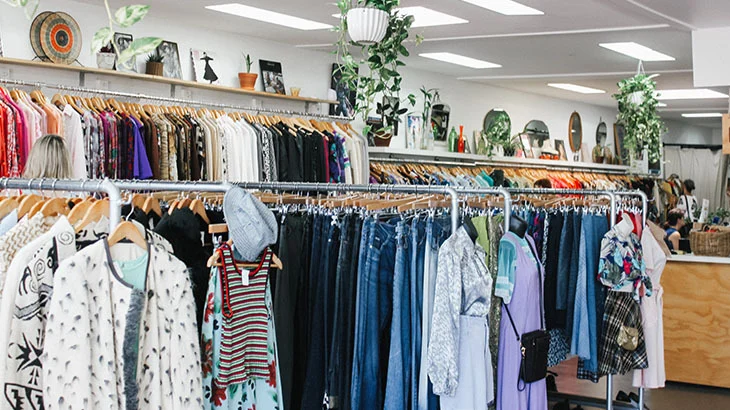
If you’ve ever stood in front of a fine boutique and thought, “One day, I’ll run my own store like this”, trust me, you’re not alone. Owning a retail boutique is one of those dreams that feels both exciting and scary at the same time. You’re the boss, you choose the styles, you set the rules.
Yes, online shopping is booming, but let’s be honest - people still love walking into a store, touching fabrics, trying things on, and randomly falling in love with an item they didn’t plan to buy.
Now, if you’re already fired up and itching to open your doors ASAP, I understand that feeling very well. But here’s the truth many people don’t like to hear: rushing without proper preparation is one of the fastest ways to struggle after opening.
Before you pop champagne and announce your grand opening, here are some important tasks you really shouldn’t skip 👇
1️⃣ Sort Out Your Logo & Branding (This One Matters A LOT)
Let me ask you something - when someone walks past your store for the first time, what will make them stop and look twice?
Your branding is often the first conversation your boutique has with customers.
You’re not just opening “a shop”; you’re building a brand identity. This includes:
- Your logo
- Your colours
- The overall vibe and feel of your store
When everything looks consistent - from your signboard to your interior colours - people take you more seriously. A clear brand makes your boutique stand out from the other stores on the same street.
Once you’ve chosen your logo and colour palette, use them boldly:
- On your signage
- On your walls and décor
- Anywhere customers can see
Trust me, a well-branded store attracts curious walk-ins without you saying a word.
👉 Quick question for the group:
Did you design your logo yourself, or did you hire someone? How did it go?
2️⃣ Choose the Right POS System (Don’t Ignore This)
This part might not sound exciting, but it can either save you stress or cause you daily headaches.
Your POS (Point of Sale) system is how you:
- Collect payments
- Track sales
- Manage inventory
Before choosing one, think about how you want your business to run. Some POS systems are cloud-based, while others are server-based. Each has its pros and cons, so don’t just pick what your friend is using - pick what fits your boutique.
The right POS system helps your store run smoothly, especially on busy days when customers are lining up and you don’t want drama at the counter.
👉 Let’s hear from experienced owners:
Which POS system are you using, and would you recommend it?
3️⃣ Build an Online Presence (Even If You’re Not Selling Online)
This one is non-negotiable in today’s world 🌍
Even if your boutique is strictly physical, people will still search for you online before visiting. Think about it - how many times have you Googled “boutique near me”?
You want your store to show up when people search.
Start with:
- Claiming your Google Business Profile
- Creating a simple website
- Opening social media pages for your boutique
This is one of the cheapest and fastest ways to promote your business. Plus, customers love checking Instagram or Google before stepping into a store.
👉 Be honest:
If someone searched for boutiques near you right now, would your store appear?
Final Thoughts 💭
Opening a retail boutique is exciting - no doubt about that. But excitement alone isn’t enough. Good planning before opening gives your boutique a fighting chance to succeed.
The more prepared you are, the smoother your launch will be - and the fewer regrets you’ll have later.
Now let me throw this back to the group 👇
- What’s the biggest challenge you faced (or are facing) before opening your boutique?
- If you could go back in time, what would you do differently before launch?
Drop your experiences in the comments - someone here might need your advice today 💬💡

Guys, quick honest question 👇🏽
How many of us are working hard every day, but our salary is still looking like it’s fighting with fuel price, rent, and foodstuff? 😭
You wake up early, close late… yet naira keeps losing value like data without subscription.
Now here’s the good news (and this one is real):
👉🏽 You don’t need to travel to UK, US, or Canada to earn in dollars again.
👉🏽 You don’t need to “know somebody” abroad.
👉🏽 You can literally work from your room in Lagos, Ibadan, Abuja, PH… anywhere.
Thousands of Nigerians are already doing remote jobs that pay in dollars, collecting foreign alerts monthly while staying in Nigeria.
If you’ve ever told yourself “I just want something legit that pays well online”, please read this with an open mind.
1️⃣ Virtual Assistant Jobs - This One Is Underrated But Powerful
Let me ask you something:
Can you send emails?
Schedule meetings?
Organize files?
Talk politely with clients?
If yes, you’re already halfway to becoming a Virtual Assistant (VA).
A Virtual Assistant works remotely for business owners, CEOs, coaches, and companies - helping them manage daily tasks like:
- Email management
- Calendar scheduling
- Travel arrangements
- Reports & documentation
And guess what?
You can do all this from home with just your laptop and internet.
To stand out as a VA:
- Learn tools like Google Workspace, Microsoft Office, Trello, Notion
- Improve your communication & time management
- Be reliable (foreign clients LOVE consistency)
💡 Small secret:
The VAs making serious money don’t just wait for instructions. They anticipate problems and solve them before the client complains. That’s how $10/hour becomes $25 - $30/hour.
👉🏽 Anyone here already doing VA work? Please share your experience in the comments.
2️⃣ Other Remote Jobs Nigerians Are Doing (No Tech Degree Needed)
Some people still think earning in dollars means you must be a software engineer. That’s a lie.
Here are real remote jobs Nigerians are already doing:
- Data Analysts - Companies need people who can interpret data and guide decisions
- Remote HR / Recruiters - Hiring and managing global teams
- Accounting & Finance - Bookkeeping, audits, finance support
- Legal & Consulting Services - Yes, Nigerian professionals are doing this remotely
- Online Tutoring - English, maths, tech skills
- Customer Support - If you’re patient and speak well, this works
- Copywriting & Content Creation - This one deserves its own section 👇🏽
Which of these sounds like something you can learn or already do? 👀
Drop the number in the comments.
3️⃣ Copywriting - Turning Words Into Dollars ✍🏽💰
If you can write clearly and persuasively, please don’t sleep on copywriting.
Copywriting is writing content that sells:
- Ads
- Emails
- Landing pages
- Social media content
Businesses abroad need people who can help them make money with words.
Why many Nigerians are winning here:
- English language advantage
- You can learn fast (free courses + YouTube)
- Pay is solid - $500 to $3,000 per project is common
How to start:
- Create sample works
- Take small gigs on Upwork or Fiverr
- Build testimonials
- Improve continuously
Once clients trust you, you won’t need to beg for jobs again - they’ll be chasing you.
👉🏽 Anyone here writing already? Blog, captions, scripts? Speak up 👇🏽
4️⃣ Where to Find Legit Remote Jobs That Pay in Dollars
This part is important. You must be visible where foreign employers are actually hiring.
Here are trusted platforms:
- Remote OK – Tech & creative roles
- Crossover – High-paying professional roles
- Pangian – Global remote companies
- FlexJobs – Scam-free remote jobs
- Remote.co – Marketing & support jobs
- Virtual Vocations – Admin & customer service
- Remotive – Developers, designers, marketers
- Upwork – Freelancing across all skills
- Fiverr – Quick services, fast dollars
- Freelancer.com – Bid for global projects
💡 Important tip:
Your profile must show results, not vibes.
Instead of:
“I’m a content writer”
Say:
“Helped a US client increase website sales by 60% through content marketing.”
That one line can change everything.
5️⃣ How Nigerians Are Receiving Dollar Payments (Safely)
Let’s be practical - how will you collect your money?
These platforms work well:
- Payoneer – Popular with Upwork & Fiverr
- Deel – Great for remote contracts
- Wise (TransferWise) – Direct international transfers
- Grey.co & Geegpay – USD virtual accounts
Please avoid shady methods. Use platforms that are legal and trusted.
Final Word - This Is Your Sign 🚀
Remote work is no longer “one day”.
It’s happening now.
Whether you’re:
- A graduate
- A stay-at-home parent
- Someone tired of surviving on naira
There’s a legit remote opportunity out there for you.
The formula is simple:
1️⃣ Learn a valuable skill
2️⃣ Show up online properly
3️⃣ Apply consistently
The earlier you start, the earlier you’ll see that sweet “Payment Received – USD” alert.
💬 Let’s talk in the comments:
- Which remote job are you interested in?
- Are you already earning online?
- What’s stopping you from starting?
This group is a safe space - drop your thoughts 👇🏽


Let me start with a quick question for the house…
Have you ever:
- Recharged ₦2k instead of ₦200 by mistake? 😭
- Received airtime gift you didn’t even need?
- Or had excess airtime just sitting there till it expired?
If you’ve ever said “chai, this airtime just waste” - please gather here.
Because unused airtime no longer has to die on your phone again.
I recently came across a simple way Nigerians are now turning unused airtime into real money that enters their bank account - and honestly, I was surprised at how straightforward it is.
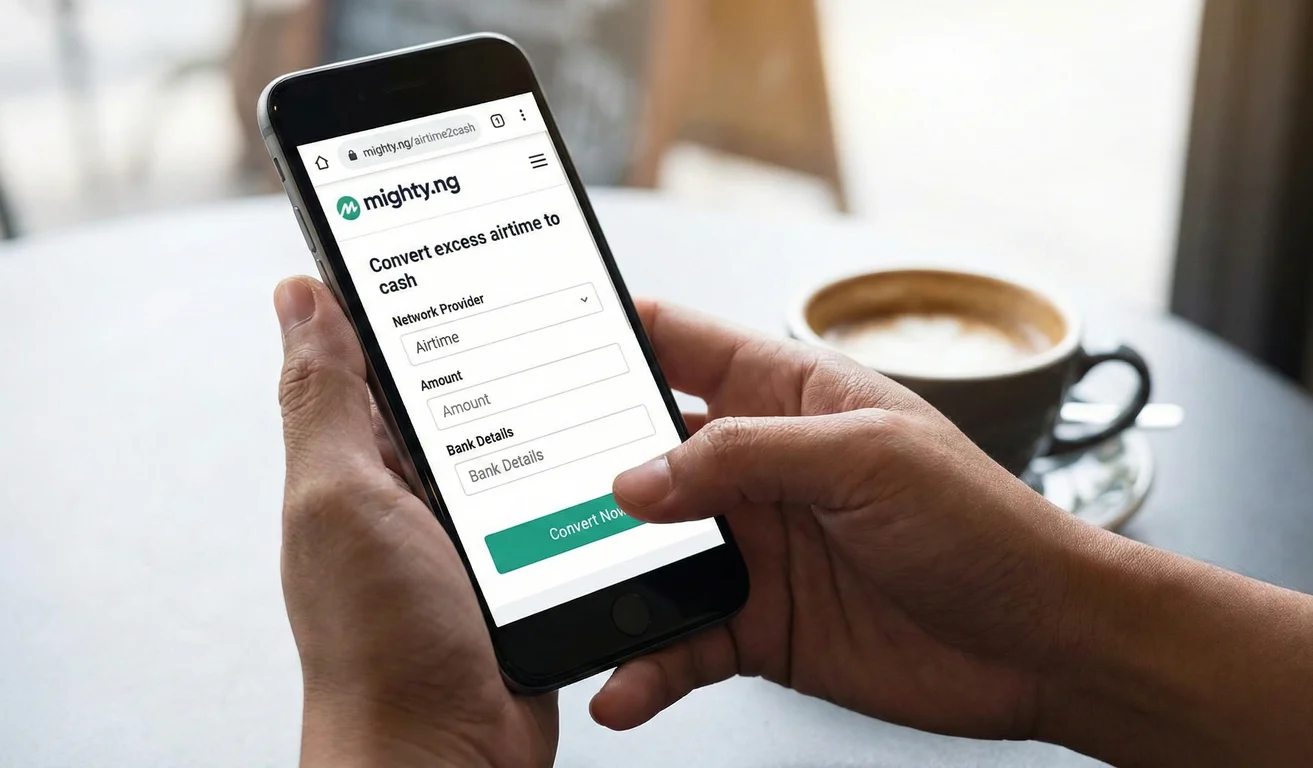
The platform is called Mighty.ng, and their Airtime2Cash service is doing exactly what the name says.
So… What Is Airtime to Cash?
In simple terms, Airtime to Cash means selling your unused airtime and getting actual cash in return.
Instead of letting airtime expire or begging friends to buy it from you, platforms like Mighty.ng help you convert that airtime into spendable money within minutes.
This thing is especially useful during:
- Emergency situations
- End-of-month dry season 😅
- When you need quick cash but don’t want to borrow
How to Convert Airtime to Cash on Mighty.ng (Very Simple)
No long story, no app download, no stress.
Step 1:
Go to 👉 https://www.mighty.ng/airtime2cash
Step 2:
Fill the Airtime2Cash form
You’ll enter:
- Your network (MTN, Glo, Airtel, or 9mobile)
- Airtime amount
- Your bank details
Step 3:
Transfer the airtime
Mighty.ng will give you a number to send the airtime to.
Step 4:
Collect your money 💰
Once they confirm the airtime, your cash is sent straight to your bank account — often within minutes.
No app to install.
No “come back tomorrow”.
No unnecessary stories.
Why Many People Are Using Mighty.ng
This isn’t a random roadside platform.
Mighty.ng has been around for a while - many people already use them for cheap data and airtime. So this Airtime2Cash thing is just an extension of what they already do well.
Some reasons people prefer them:
- Trust & Reliability - They already have a reputation to protect
- Competitive Rates - Better than begging friends or selling cheap to roadside traders
- Fast & Secure – Transactions are quick and your details are protected
- 24/7 Support – You can reach them via chat or WhatsApp anytime
Who Is This Airtime2Cash Thing For?
Honestly? Almost everybody.
This service is perfect if you:
- Have excess airtime you won’t use
- Receive airtime bonuses or gifts often
- Need quick cash without borrowing
- Want a legit and safe platform
Students, freelancers, business owners, everyday Nigerians — everybody can benefit.
But Is It Safe?
Very important question 👀
Yes - as long as you’re using a trusted platform like Mighty.ng.
Please avoid random buyers on WhatsApp or Twitter that will block you after you transfer airtime. Use verified platforms to protect yourself.
Final Thoughts (Let’s Talk)
Airtime sitting idle on your phone is like money locked inside a box.
With Airtime2Cash on Mighty.ng, you can unlock that value and turn it into instant cash - quickly and safely.
If you currently have unused airtime, this might be the fastest way to solve a small cash need without borrowing from anybody.
Now over to you 👇🏽
- Have you ever mistakenly recharged too much?
- Have you tried converting airtime to cash before?
- Would you try this if the need comes up?
Drop your thoughts in the comments - let’s gist 👇🏽👇🏽
Let me ask you something first 👇
How many of us here actually know our TIN number right now?
Because from 2026, this thing will stop being “optional advice” and start becoming real-life bank wahala.
Whether you’re in Nigeria or abroad, if you use a Nigerian bank account, transactions on that account will be taxed. And once banks start asking for TIN, story go change.
That’s why I said let’s talk about this now, calmly, before everyone starts rushing last minute.
So… What Exactly Is TIN?
TIN means Tax Identification Number.
It’s a unique number given to you by:
- FIRS (Federal Inland Revenue Service), or
- Your State Internal Revenue Service
And once you get it, that’s your TIN for life.
No replacement, no duplicate, no “new one”.
Your TIN is what you’ll use to:
- Pay and file taxes
- Register business with CAC
- Open corporate bank accounts
- Apply for government contracts
- Access loans, grants, and investment platforms
One person or one business = ONE TIN forever.
Who Actually Needs a TIN?
Short answer: Almost everybody earning money legally.
You need a TIN if you’re:
- A salary earner
- A freelancer or self-employed
- A business owner or company director
- Registering a company with CAC
- Running an NGO or cooperative
If money is entering your Nigerian account regularly… TIN concerns you.
How to Get Your TIN Number (Fastest & Legit Ways)
1️⃣ Online via JTB Portal (Fastest Method)
This is the official and recommended way.
What you do:
-
Visit the Joint Tax Board (JTB) TIN Registration Portal
-
Choose:
- Individual
- Business / Company
-
Fill in your details:
- Full name
- Date of birth (for individuals)
- BVN
-
Submit
Your TIN will be generated and sent to you via SMS.
⏱ Time: Few minutes to 24 hours
2️⃣ Physical Registration at Any FIRS Office
If you like doing things face-to-face:
Carry:
- Valid ID (NIN, Voter’s Card, Driver’s Licence)
- Phone number & email
- CAC documents (for businesses)
Go to any FIRS office, request TIN registration, and you’ll get it.
⚠️ TIN IS FREE
Please don’t let any “agent” collect money from you. No be CAC registration.
3️⃣ Through Your Bank
Some banks help customers (especially business account holders) to register for TIN.
Just walk to customer service and ask.
How to Verify or Check Your TIN (Even Without Internet)
✅ USSD Method (Fastest of All)
This one sweet me the most 😄
Just dial:
*565*0#
Your TIN will appear instantly.
✔ Works on MTN, Airtel, Glo & 9mobile
✔ Uses the phone number linked to your TIN
✅ Online Verification
You can also verify through the JTB TIN Verification Portal.
- Enter your TIN or registered phone number
- Submit and confirm your details
✅ FIRS Office (If All Else Fails)
Lost your phone number or email?
Go to any FIRS office with a valid ID and retrieve it.
Forgot Your TIN? Here’s How to Retrieve It
- Dial 5650# using your registered phone number
- Check old SMS or emails from FIRS/JTB
- Visit FIRS office with your ID
Simple.
Personal TIN vs Business TIN (Important!)
This part causes confusion.
- Personal TIN → Salary earners, freelancers, individuals
- Business TIN → Registered businesses and companies
⚠️ A company must have its own TIN, separate from the owner’s personal TIN.
Very Important Things to Remember
- TIN is FREE
- One TIN per person or business
- You don’t need multiple TINs
- Avoid anyone asking you to pay
- TIN is compulsory for registered businesses
Quick FAQs
Is TIN compulsory?
Yes - especially if you earn taxable income or run a business.
Can I have two TINs?
No. That’s not allowed.
How long does it take?
Few minutes to 24 hours if done online.
Can I get TIN without CAC?
Yes, for individuals.
Businesses must have CAC.
Final Talk 👇
Honestly, getting your TIN now is better than waiting till banks start blocking accounts or delaying transactions.
No fear, no stress - just prepare early.
Now over to you guys 👇👇
- Do you already have a TIN?
- Have you ever checked it using 5650# before?
- Or is this your first time hearing about TIN properly?
Drop your experience in the comments.
Let’s help ourselves before 2026 wahala starts 🔥

Guys, let’s sit down and talk small.
From 2026, Nigeria’s tax system is changing big time with the Nigeria Tax Act (NTA) 2025. Government is saying it’s fairer, clearer, and more inclusive - but as usual, people are already scared 😅
So instead of rumours and WhatsApp broadcasts, let’s break it down like family and see how it affects salary earners, business people, students, creatives, crypto guys, retirees - everybody.
👉🏾 Please read and tell us in the comments: Are you better off or worse off under this new law?
First Things First - Who Does This Tax Law Affect?
If you earn money in Nigeria, this law most likely concerns you.
It applies to:
- Salary earners
- Traders & small business owners
- Freelancers, content creators & influencers
- Remote workers earning foreign income
- Nigerians earning abroad but living in Nigeria
Basically… if money enters your hand, tax man wants to know how 😄
Will Bank Transfers or POS Transactions Be Taxed?
Let’s kill this fear immediately ❌
NO.
- Bank transfers
- POS payments
- Deposits & withdrawals
are NOT taxed.
Only income earned is taxed - salary, profit, interest, gains - not moving your own money around.
Will Money Sitting in My Bank Be Taxed?
Again, NO.
Tax is only on:
- Salary
- Business profit
- Investment income
- Interest earned
Your savings are safe.
Students Without Jobs - Any Tax?
If you don’t earn income, you don’t pay tax.
Simple.
Will Government Monitor Our Bank Accounts More?
Yes, tracking will improve.
But calm down:
- Your bank balance is not taxed
- Only income and profit are taxed
Loans from FairMoney, PalmPay, etc - Taxable?
Nope.
Loans are not income, so no tax.
The interest lenders earn is what gets taxed.
One-Man Business - Personal or Company Tax?
- Business name (Enterprise) → Personal Income Tax (PIT)
- Limited company (Ltd) → Company Income Tax (CIT)
Selling Shares - Will I Pay Tax?
Not always.
You won’t pay tax if:
- Total shares sold ≤ ₦150 million, AND
- Total gains ≤ ₦10 million
Anything above that becomes taxable.
Pensions & Military Salaries
Good news here 👏🏾
- Pensions → NOT taxable
- Military salaries → 100% tax-free
- Disability pensions for injured soldiers → completely tax-free
Creatives & Influencers - Foreign Income Still Exempt?
This one will cause noise 😬
From 2026:
- Authors
- Musicians
- Athletes
- Influencers & creatives
will pay Nigerian tax on both local and foreign income.
Crypto People - Are Gains Taxed?
Yes.
Profits from crypto trading are now officially taxable.
Who Is Fully Exempt from Personal Income Tax?
- Anyone earning minimum wage or less
- Anyone earning below ₦800,000 per year
New Tax Rates (From 2026)
Here’s the new progressive structure:
- First ₦800,000 → 0%
- Next ₦2.2m → 15%
- Next ₦9m → 18%
- Next ₦13m → 21%
- Next ₦25m → 23%
- Above ₦50m → 25%
Lower earners pay less. High earners pay more.
Severance / Exit Packages
- Up to ₦50 million → Tax-free
- Above ₦50 million → Taxed progressively
Foreign Dividends, Rent & Interest
Surprisingly…
They are tax-free if properly repatriated into Nigeria through approved banking channels.
Agricultural Companies
If you’re into:
- Crop production
- Livestock
- Forestry
- Dairy
- Cocoa processing
You get a 5-year tax holiday from start of operations.
Government Bonds
Still tax-free - Federal & State.
Rent Relief (This One Sweet Small)
From 2026:
- You can claim 20% rent relief
- Capped at ₦500,000 per year
- Actual rent must be declared & verified
Example - I Earn ₦6 Million Yearly
Under old system:
- Tax = ₦896,000
Under new system:
- Tax = ₦780,000
You save ₦116,000
Meaning more money stays in your pocket.
Small Companies Under ₦50m Turnover
They may qualify for:
- Tax exemptions
- Reduced tax obligations
Depending on size & structure.
Remote Workers
If you work from Nigeria for a foreign company:
- You’ll pay tax unless that income is already taxed abroad under a treaty.
Foreigners Working in Nigeria
They may be exempt if:
- Employer is in tech or creative sector, AND
- Their income is already taxed in their home country
TIN & Bank Accounts
- Existing accounts → won’t be blocked immediately
- New accounts → TIN may be required
- Banks will gradually request TINs
Final Take
Love it or hate it, this tax law is coming.
It promises:
- Fairer taxation
- Better take-home pay for low & middle earners
- Clear rules for crypto, investments & foreign income
But the real question is this 👇🏾
👉🏾 Under this new law, are YOU paying less tax… or more?
👉🏾 Which part worries you the most?
👉🏾 Is this progress or another policy that will stress people?
Let’s talk in the comments 👇🏾🔥